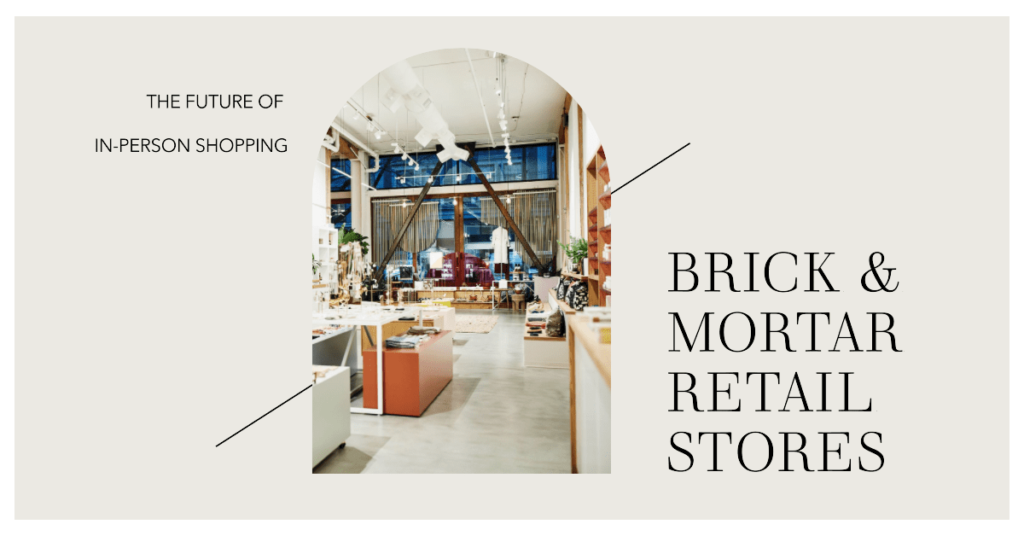
The retail landscape has undergone a remarkable transformation over the years, propelled by advancements in technology and changing consumer behaviors. The traditional brick-and-mortar stores that once dominated the industry have now converged with the digital realm, giving rise to new shopping paradigms. This evolution, driven by convenience, personalization, and innovation, has reshaped the way consumers interact with brands and make purchase decisions.

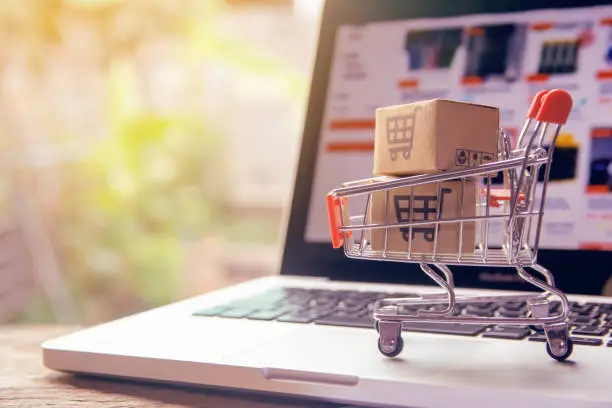
E-commerce revolutionized retail by introducing online shopping convenience and a wide product selection to consumers. This was a significant step towards digital disruption and transformation.
Retailers use omnichannel to offer a seamless shopping experience. Integrating online and offline channels enables research, purchase, and returns. This blurs the line between physical and digital retail, giving customers more convenience and choice.
Digital evolution created consumer data used by retailers to personalize shopping experiences, empower customer understanding, and enable targeted marketing campaigns.
Smartphones changed customer-brand engagement with apps, responsive websites, location-based engagement, push notifications, and streamlined mobile payments.
Retailers offer click-and-collect and same-day delivery services that bridge the gap between online and offline shopping by allowing customers to purchase products online and pick them up at a nearby store or receive them faster.